What Is the Root Issue in Your Marriage?
What Is the Root Issue in Your Marriage?

Marriage Counseling & Restoration
My Spouse Wants Me to \"Just Get Over It.\" I Can't

The difference between forgiveness and foolish trust after betrayal
Your spouse says you need to forgive and move on. You have forgiven. But trust is a different thing entirely. Here is what the Bible actually says about the difference.
Aisha (not her real name) had said the words out loud in our session.
"I forgive you." She had said them to her husband Marcus (not his real name) across the counseling table, and she had meant them as much as a person can mean something that hard. She had prayed over it. She had released it before God. She was not carrying revenge in her heart. She genuinely did not want him to suffer for what he had done.
And three weeks later, when she still flinched every time his phone buzzed, Marcus looked at her and said the words that brought her back to our office.
"I thought you said you forgave me. If you really forgave me, you wouldn't still be acting like this."
Aisha looked at us with an expression we have seen many times. Not anger, exactly. Something closer to exhaustion mixed with confusion. Because she knew she had forgiven him. She also knew that something in her was not ready to trust him yet. And she could not figure out if that meant she had failed at forgiveness or if it meant something else entirely.
It means something else entirely. And most couples, and honestly most churches, have never had this distinction explained clearly enough to help them navigate it.
This post is part of our complete guide to covenant marriage. Read the full guide here.
What "Just Get Over It" Actually Communicates
When a spouse says "just get over it" after a betrayal, whether they realize it or not, they are asking for two very different things in a single sentence. They are asking for forgiveness, which is the release of resentment and the decision not to hold the offense as a permanent debt. And they are asking for trust, which is the willingness to give them full access again as if the betrayal never happened.
Those two things are not the same. They do not happen on the same timeline. And requiring them to happen simultaneously is one of the most common and most damaging mistakes made in the aftermath of betrayal.
The spouse saying "just get over it" is usually not being malicious. They are in pain too. Carrying guilt is its own kind of suffering, and the most natural way to relieve that guilt is for the person you hurt to act like things are normal again.
The problem is that asking for normalcy before trust has been rebuilt does not produce genuine restoration. It produces performance. Your spouse pretending to be fine so the discomfort ends for both of you.
And performing trust you do not actually feel is not healing. It is a different kind of wound, the kind that comes from being told your honest internal experience is the problem rather than the behavior that caused it.
What Forgiveness Actually Is
Forgiveness is a decision made in your own heart regardless of what the other person does, says, or understands. It is the choice to release your right to revenge. To stop holding the offense as a debt that must be repaid before you can move forward. To stop rehearsing the wound as your primary occupation.
Ephesians 4:32 says it plainly: "Be kind and compassionate to one another, forgiving each other, just as in Christ God forgave you." (NKJV) Notice what that verse does not say. It does not say forgive when they deserve it. It does not say forgive after they have sufficiently demonstrated remorse. It says forgive as God in Christ forgave you. Which was while you were still a sinner. Before you had done anything to earn it.
That means forgiveness, in the biblical framework, is not conditional on your spouse's behavior. You can forgive someone who has never apologized. You can forgive someone who does not understand what they did wrong. You can even forgive someone who would do the same thing again given the chance. Because forgiveness is not primarily for them. It is for you.
Unforgiveness is a weight. Every day you carry it, you are spending emotional and spiritual energy on a debt that is not yours to collect. God is the righteous judge. Releasing the offense to Him is not letting your spouse off the hook. It is getting yourself off the hook of carrying something He never asked you to carry.
Forgiveness is immediate. It is accessed by faith, not by feeling. You may not feel like forgiving. You do it anyway because God said to, and because your own freedom depends on it.
What Forgiveness Is Not
This section matters as much as the one before it, because the most common source of confusion around forgiveness is not a failure to understand what it is. It is a failure to understand what it is not.
Forgiveness is not forgetting. When God says in Hebrews 8:12 that He will remember our sins no more, He is not describing divine amnesia. He is choosing not to hold our sins against us anymore. That is a decision about how to relate to the offense, not an erasure of the memory of it. You are not required to develop selective memory loss in order to have genuinely forgiven. You are required to stop using the memory as a weapon.
Forgiveness is not the same as saying what happened was acceptable. Forgiving Marcus did not mean Aisha was retroactively approving of what he did. It meant she was no longer going to let what he did determine the quality of her inner life. Those are completely different things.
Forgiveness is not automatic trust restoration. This is the confusion that causes the most damage and the most shame. Somewhere along the way, the Christian community adopted an implicit teaching that if you have truly forgiven, you will act as though nothing happened. That requiring accountability or transparency after betrayal is evidence of unforgiveness. That is not biblical. It is not even logical. You can forgive the person who broke into your house and still change the locks.
And forgiveness is not a one-time event that permanently resolves the pain. The grief comes back. The triggers surface at unexpected moments. The wound, genuinely forgiven, can still ache on a Tuesday afternoon for no particular reason. That is not a failure of forgiveness. That is the reality of being a human being who was genuinely hurt by someone they trusted.
The Difference Between Forgiveness and Trust
Here is the clearest way we know to say it.
Forgiveness is your gift to your spouse. You give it unilaterally. It does not require anything from them to be valid. It is a decision you make about how you will relate to the offense, and it is available to you regardless of what your spouse does next.
Trust is something your spouse earns back. It is not something you give. It is something that builds, deposit by deposit, through consistent, observable, over-time behavior that gradually gives your nervous system enough new evidence to update what it believes about this person.
The distinction between regret and repentance matters enormously here. Regret says: "I am sorry I got caught." Repentance says: "I am broken over what I did and I am genuinely changing." A spouse who is regretful will want the trust restored as quickly as possible so the discomfort ends. A spouse who is repentant will understand that the timeline of trust restoration belongs to the person who was hurt, and they will do the work of being trustworthy without requiring credit for it.
Asking the betrayed spouse to trust again before consistent new behavior has been established is not asking them to forgive. It is asking them to pretend. And pretending is not restoration. It is a setup for the next betrayal, because the conditions that made the first one possible have not changed.
What the Bible Says About Boundaries After Betrayal
Some people in the church have been taught that maintaining any boundary after forgiving someone is evidence of lingering unforgiveness. This teaching has caused genuine harm to genuine people, and it deserves to be addressed directly.
Even Jesus withdrew from those who sought to harm Him. Luke 4:28-30 describes Jesus walking through a crowd that intended to throw Him off a cliff. He did not stay and explain Himself. He left. Self-protection and forgiveness coexisted in Jesus without contradiction.
Proverbs 4:23 says: "Above all else, guard your heart, for everything you do flows from it." (NKJV) That is not a verse about self-centeredness. It is a verse about stewardship. Your heart, and the access people have to it, is something you are responsible for protecting. Forgiveness releases the offense. Wisdom determines the conditions under which you allow vulnerability again.
You can forgive the thief and still lock your doors. You can forgive the unfaithful spouse and still require full phone transparency before you sleep peacefully. You can release the resentment from your heart while saying clearly: "I need to see consistent change before I give you access to the parts of me that were hurt." That is not unforgiveness. That is the biblical combination of grace and wisdom working together.
Simone's pastor told her that having any boundary after forgiving meant she had not truly let it go. We told her something different. Proverbs 4:23 does not say guard your heart except after you have forgiven someone. It says guard it above all else. Because everything flows from it.
What Trust Requires Before It Can Be Given Back
Trust does not rebuild through declarations. It rebuilds through deposits. Small, consistent, observable actions made over time that give the hurt spouse's nervous system enough new evidence to begin updating what it believes about their partner.
The offending spouse asking "don't you trust me yet" after two months of changed behavior has misunderstood the timeline. The hurt spouse saying "I will never trust you again no matter what you do" has misunderstood what trust requires. The path is between those two positions.
What trust actually requires is this. Full transparency without complaint, meaning the offending spouse accepts accountability measures not as surveillance but as the reasonable cost of rebuilding what they broke. Consistent behavior over time, meaning months, not weeks, of actions matching words without regression.
Patience with the grief, meaning when the hurt spouse is triggered by something that seems unrelated, the offending spouse meets that with understanding rather than frustration. And genuine repentance that addresses the root, not just the behavior, so that the conditions which made the betrayal possible are actually being addressed rather than managed.
Aisha told us at a later session that what finally began shifting her ability to trust was not Marcus saying the right things. It was watching him do the hard, unglamorous, unacknowledged work of being different. Not performing repentance when she was watching. Being trustworthy when she was not.
"Forgiveness is your gift to him," we had told her in that first session. "Trust is something he has to earn back." She had held onto both halves of that sentence. And slowly, over time, with both people doing what their role required, the marriage began to find ground under it again.
Your pain is not evidence of unforgiveness. Your boundaries are not evidence of bitterness. And the timeline of your trust restoration does not belong to the person who broke it. It belongs to you and to God, who sees exactly what it is costing you and who does not require you to rush.
Free Resources
These posts go deeper into the specific layers this one names:
The Trust Timeline After Infidelity - Why real healing takes years not months and what that actually means for both spouses
Rebuilding After the Affair Your Friends Say Is Unforgivable - The broader framework for what genuine restoration requires from both people
When Reconciliation Feels Impossible - What to do when you are trying to stay but cannot find the path back
Why Forgiveness Isn't Enough - What comes after the decision to forgive and why it is not the finish line
I Was One Signature Away from Divorce - What happens in the space when both people are finally honest
Is Biblical Separation Ever Right? - When distance itself becomes part of the path toward healing
Most marriage issues are not the real issue. The fighting, the distance, the unresolved arguments are symptoms. Underneath all of them is one of 5 root causes.
Take the free 5-minute 5 Marriage Mandates Assessment to find out which root needs the most attention in your marriage right now. No right or wrong answers. Just honest ones.
Book a free 15-minute Relationship Restoration Roadmap session at couplespursuit.com/talk.
Join a community of couples choosing to heal the right way at facebook.com/groups/couplespursuit.
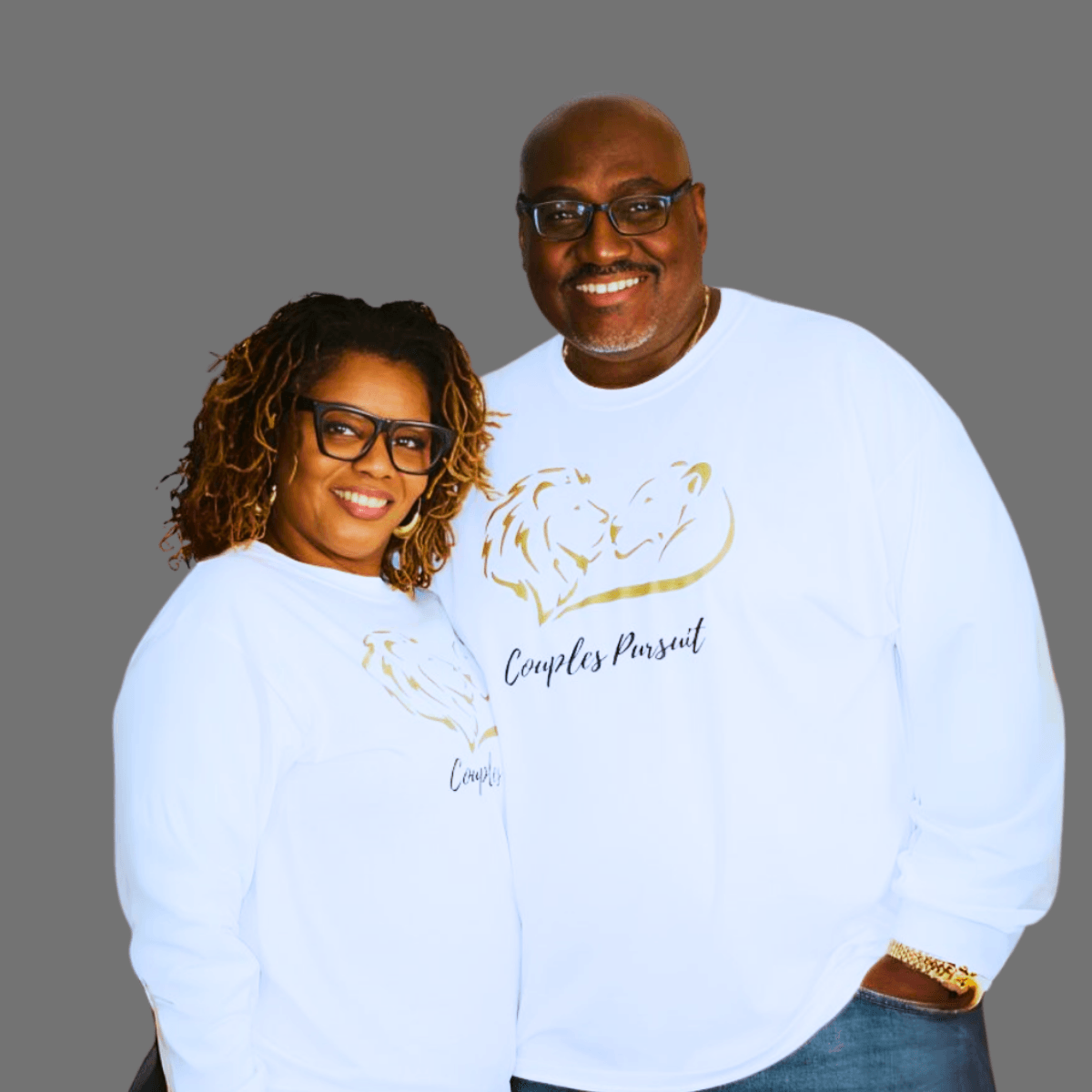
Vincent and Valerie Woodard are the founders of Couples Pursuit. Married since 2000, they specialize in restoring marriages that feel beyond repair using biblical principles. Connect with them at www.couplespursuit.com.
Want more posts like this one?
We send practical, biblical marriage help to your inbox.
No spam. Just honest content for real couples.
Need to Talk?
Are You Tired of Feeling Disconnected From Your Spouse or Future Spouse?
Book Your FREE 15-Minute
Strategy Session Today!
Our Coaching is based on:
The 5 Marriage Mandates™
Method
Many books offer quick fixes or surface-level advice. But “The 5 Marriage Mandates™” dives deep, addressing the real challenges couples face today.

What Is the Root Issue in Your Marriage?
Take the Free 5 Marriage Mandates™ Quiz. No right or wrong answers...
Just honest ones.

Are You Tired of Feeling Disconnected From Your Spouse or Future Spouse?

FREE 15-Minute Strategy Session
Book Your FREE 15-minute Relationship Restoration Roadmap call with Vincent & Valerie TODAY!
*We respect the rights of all individuals. However, our services may not be appropriate if you identify as LGBTQ, have an untreated addiction, are being physically abused, or are currently involved in an extramarital relationship.




Couples Pursuit is a subsidiary of Woodard Worldwide LLC.
@2026 Couples Pursuit | Privacy policy | Legal | Terms & Conditions