What Is the Root Issue in Your Marriage?
What Is the Root Issue in Your Marriage?

Marriage Counseling & Restoration
What Makes Marriage a Covenant, Not Just a Contract

When you said "I do," were you signing a contract or entering a covenant?
Most couples think they're the same thing. They're not. And understanding the difference could save your marriage.
In our years of counseling couples, we've seen the same pattern over and over: marriages that treat their relationship like a business contract inevitably struggle, while those who understand marriage as a sacred covenant find the strength to work through anything.
Here's why the difference matters—and how it can transform your marriage.
This post is part of our complete guide to covenant marriage. Read the full guide here.
What Is a Contract?
A contract is a business agreement. It's conditional, performance-based, and has escape clauses.
Contracts say:
"I'll do this IF you do that"
"As long as you meet your obligations, I'll meet mine"
"If conditions change, we can renegotiate or terminate"
In marriage, contract thinking sounds like:
"I'll love you as long as you make me happy"
"I'll stay faithful if you meet my needs"
"If this gets too hard, I'm out"
Contract marriages are fragile because they depend on both people performing perfectly all the time. When someone fails (and everyone fails), the contract is broken.
What Is a Covenant?
A covenant is something entirely different. It's a sacred promise made before God that creates an unbreakable spiritual bond.
The Hebrew word for covenant is "berith," which means "to cut."
In biblical times, making a covenant involved cutting an animal in half and walking between the pieces.
It was a life-or-death commitment that said: "May I be like this animal if I break this promise."
Covenants say:
"I choose you no matter what"
"My commitment isn't based on your performance"
"I will work toward restoration when things go wrong"
In marriage, covenant thinking sounds like:
"I'll love you even when you're unlovable"
"I'll pursue you when you pull away"
"We'll work through this together"
The Biblical Foundation of Marriage Covenant
Genesis 2:24 reveals God's design: "This is why a man leaves his father and mother and bonds with his wife, and they become one flesh."
Notice the language: "bonds" and "become one flesh." This isn't describing a business merger—it's describing a spiritual connection.
God made six major covenants throughout history:
Adamic Covenant - With Adam (Genesis 3:16-19)
Noahic Covenant - With Noah (Genesis 9:8-17)
Abrahamic Covenant - With Abraham (Genesis 12:1-3)
Mosaic Covenant - With Moses (Exodus 19-24)
Davidic Covenant - With David (2 Samuel 7:8-16)
New Covenant - Through Jesus (Jeremiah 31:31-34)
Each covenant represented God's unchanging faithfulness to His people, regardless of their performance. Marriage is designed to reflect this same kind of unconditional commitment.
The Three-Cord Strand
Ecclesiastes 4:12 says, "A cord of three strands is not quickly broken."
In covenant marriage, those three strands are:
You
Your spouse
God
This is why marriages with God at the center have lower divorce rates. It's not just two imperfect people trying to love each other—it's two people drawing strength from the perfect love of God.
Key Differences Between Contract and Covenant
Contract Marriage operates on:
Based on feelings
"As long as you make me happy..."
Conditional love that changes with circumstances
Performance-based expectations
Seeks personal happiness above all
Has exit strategy when things get tough
Two people trying to make it work alone
Covenant Marriage operates on:
Based on commitment regardless of feelings
"No matter what we face together..."
Unconditional love that persists through trials
Grace-based approach to failures
Seeks mutual growth and God's glory
Has restoration strategy when problems arise
Two people + God working as a three-cord strand
What Damages Covenant?
While covenant is designed to be unbreakable, certain actions can damage the covenant relationship:
Actions that harm covenant:
Infidelity and adultery
Abandonment of family responsibilities
Abuse (physical, emotional, verbal, financial)
Choosing other relationships over marriage
Persistent selfishness and unwillingness to change
Important note: Covenant doesn't mean staying in an abusive situation. God never calls us to enable sin or endanger ourselves or our children.
How to Restore Damaged Covenant
When covenant has been broken, restoration is possible through these steps:
1. Acknowledgment Recognize what broke the covenant. Take full responsibility without blame-shifting or minimizing.
2. Repentance Genuine sorrow that leads to changed behavior. This isn't just saying sorry—it's proving you're sorry through consistent action.
3. Forgiveness The injured spouse chooses to release the offense. This doesn't mean trusting immediately or ignoring consequences.
4. Rebuilding Take practical steps to restore trust. Create accountability systems. Be patient with the healing process.
5. Renewal Recommit to the covenant promises. Many couples find it helpful to renew their vows as a symbol of their restored commitment.
Our Story: From Contract to Covenant
We learned this the hard way. For twelve years, we operated on contract thinking:
"If you change, I'll change."
"If you make me happy, I'll stay."
"If this doesn't get better, I'm done."
We were living separately in our own home, discussing who would get the furniture, the TV, and how to handle the mortgage. We were planning the end.
But God had different plans.
When we finally understood that marriage wasn't a contract to be broken but a covenant to be honored, everything changed.
We stopped trying to change each other and started working on ourselves. We stopped keeping score and started extending grace.
The transformation didn't happen overnight, but it did happen.
Today, after more than 24 years of marriage, we're more passionate about each other and our purpose than ever before.
Making the Shift: From Contract to Covenant
If you've been treating your marriage like a contract, here's how to shift to covenant thinking:
1. Change your language Stop saying "if" and start saying "when" and "how."
Instead of: "If you change, I'll change"
Say: "How can we grow together?"
2. Focus on giving, not getting Ask "What can I contribute?" instead of "What am I getting out of this?"
3. Plan for the hard times Contracts plan for success. Covenants plan for difficulty.
Create agreements for how you'll handle conflict
Decide in advance that divorce isn't an option
Develop support systems for tough seasons
4. Involve God in your marriage Pray together, study Scripture together, worship together. Make God the third strand in your marriage cord.
5. Think restoration, not termination When problems arise, your first thought should be "How do we fix this?" not "How do I get out?"
The Covenant Mandate
This is the first of our 5 Marriage Mandates:
"I acknowledge and accept that marriage is a covenant relationship between my spouse, myself, and God. I commit to honoring this sacred bond and working toward restoration when it has been damaged."
Questions for Reflection
Take a moment to honestly evaluate your marriage:
Have you been treating your marriage more like a contract or a covenant?
What conditions have you placed on your love for your spouse?
When problems arise, is your first instinct to fix or to flee?
How is God involved in your marriage relationship?
What would change if you truly embraced covenant thinking?
The Bottom Line
Your marriage is not a business deal that can be terminated when terms aren't met. It's a sacred covenant that reflects God's faithful love for His people.
When you understand this—really understand it—everything changes:
You stop keeping score and start extending grace
You stop planning exit strategies and start planning growth strategies
You stop asking "What's in it for me?" and start asking "How can we become one?"
The difference between contract and covenant isn't just theological—it's practical. It's the difference between a marriage that survives and a marriage that thrives.
Which kind of marriage do you want?
Next Steps
If you're ready to move from contract thinking to covenant commitment:
Have the conversation. Share this article with your spouse and discuss which approach you've been taking.
Pray together. Invite God to be the third strand in your marriage.
Get help if needed. If your covenant has been damaged, don't wait. Book a consultation with us at couplespursuit.com/talk.
Remember: Your marriage vows weren't just promises—they were a covenant that echoes into eternity. It's time to start treating them that way.
Want to learn more about building a covenant marriage? Download our free guide: "The 5 Marriage Mandates Assessment" at couplespursuit.com/links
Share this post: Help another couple understand the difference between contract and covenant by sharing this on social media.
About the Authors: Vincent and Valerie Woodard are Marriage Restoration Specialists who help couples restore their marriages using biblical principles. After nearly divorcing following 12 years of turmoil, they discovered the power of covenant commitment and have been helping couples worldwide for over two decades. Learn more at couplespursuit.com.
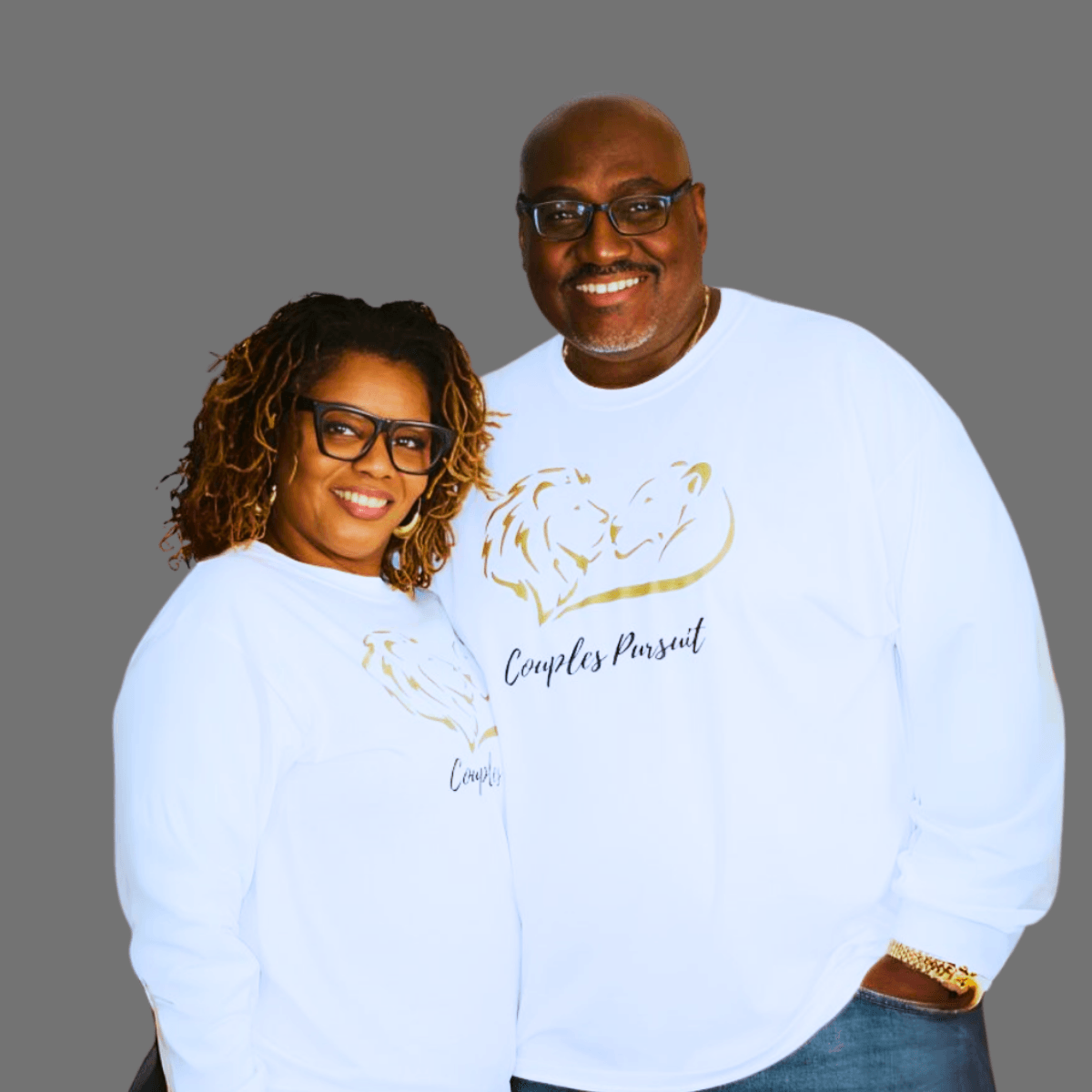
Vincent and Valerie Woodard are the founders of Couples Pursuit. Married since 2000, they specialize in restoring marriages that feel beyond repair using biblical principles. Connect with them at www.couplespursuit.com.
Want more posts like this one?
We send practical, biblical marriage help to your inbox.
No spam. Just honest content for real couples.
Need to Talk?
Are You Tired of Feeling Disconnected From Your Spouse or Future Spouse?
Book Your FREE 15-Minute
Strategy Session Today!
Our Coaching is based on:
The 5 Marriage Mandates™
Method
Many books offer quick fixes or surface-level advice. But “The 5 Marriage Mandates™” dives deep, addressing the real challenges couples face today.

What Is the Root Issue in Your Marriage?
Take the Free 5 Marriage Mandates™ Quiz. No right or wrong answers...
Just honest ones.

Are You Tired of Feeling Disconnected From Your Spouse or Future Spouse?

FREE 15-Minute Strategy Session
Book Your FREE 15-minute Relationship Restoration Roadmap call with Vincent & Valerie TODAY!
*We respect the rights of all individuals. However, our services may not be appropriate if you identify as LGBTQ, have an untreated addiction, are being physically abused, or are currently involved in an extramarital relationship.




Couples Pursuit is a subsidiary of Woodard Worldwide LLC.
@2026 Couples Pursuit | Privacy policy | Legal | Terms & Conditions