What Is the Root Issue in Your Marriage?
What Is the Root Issue in Your Marriage?

Marriage Counseling & Restoration
Why Forgiveness Isn't Enough to Heal Your Marriage

The calibration required after trust is broken
Destiny sat across from her husband Jeremiah at the kitchen table, the marriage counselor's words still echoing in her mind. "The goal isn't just forgiveness," their counselor had said. "The goal is restored relationship."
Three months had passed since she discovered Jeremiah's emotional affair with a coworker. Three months since her world collapsed. Three months since she made the decision to fight for their marriage instead of walking away.
"I forgive you," she had told him the week after everything came out. She meant it too. As a Christian, she knew forgiveness wasn't optional. But here they were, months later, and something still felt broken between them.
Jeremiah was doing everything right. He'd cut off all contact with the other woman. He'd changed jobs. He was in counseling. He was reading his Bible again. He was trying harder than he'd ever tried before.
But Destiny still felt like she was married to a stranger.
"I don't understand," Jeremiah said, frustration creeping into his voice. "You said you forgave me. Why does it still feel like you don't trust me?"
Destiny looked at the man she'd loved for eight years, searching for the right words. How do you explain that forgiveness and trust aren't the same thing? How do you tell someone that saying "I forgive you" doesn't automatically make everything go back to the way it was?
If you've ever tried to rebuild a marriage after betrayal, you know exactly how Destiny felt. You've discovered the painful truth that forgiveness, while essential, isn't enough to heal a broken relationship.
This post is part of our complete guide to saving a marriage. Read the full guide here.
The Forgiveness Myth Most Couples Believe
Here's what most couples don't realize: forgiveness and restoration are two completely different processes.
Forgiveness is something you choose to do for your own heart and in obedience to God. It's a decision to release the right to revenge and to stop holding the offense against the person who hurt you.
Restoration is something you build together over time through consistent, trustworthy actions and open, honest communication.
You can forgive someone instantly. Rebuilding trust takes much longer.
The problem is that our Christian culture has created a dangerous myth: that forgiveness equals automatic reconciliation. We've been taught that if someone apologizes and you forgive them, everything should go back to normal immediately.
That's not biblical. That's not realistic. And that expectation is destroying marriages that could be saved.
Research shows that 73% of couples who experience infidelity say that forgiveness was the easy part. The hard part was rebuilding trust and intimacy after the betrayal. Yet most marriage resources focus almost exclusively on forgiveness while ignoring the restoration process.
When Destiny told Jeremiah she forgave him, she was being honest. She had chosen to release her anger and her right to punish him. But forgiving him didn't mean she trusted him. It didn't mean she felt safe with him. And it certainly didn't mean their marriage was healed.
Forgiveness opens the door to restoration. But walking through that door requires a lot more work than most couples expect.
What God Actually Says About Forgiveness and Restoration
Let's be clear from the beginning: God absolutely requires forgiveness. Jesus couldn't have been more direct about this.
"Be kind and compassionate to one another, forgiving each other, just as in Christ God forgave you" (Ephesians 4:32).
Forgiveness isn't optional for Christians. It's a command. But here's what many people miss: God's forgiveness of us doesn't automatically restore everything either.
When we sin against God, He forgives us instantly when we repent. But the consequences of our sin often remain. The broken relationships still need to be rebuilt. The damage still needs to be repaired. The trust still needs to be earned back through consistent obedience over time.
Look at King David's story. After his adultery with Bathsheba and the murder of her husband, David repented. God forgave him immediately. But the consequences lasted for years. The baby died. David's family was torn apart by violence and betrayal. His kingdom was shaken by rebellion.
God's forgiveness was complete, but the restoration process was long and painful.
The same principle applies in marriage. When someone betrays their spouse's trust, God calls the offended spouse to forgive. But God doesn't expect that spouse to pretend nothing happened or to trust blindly without evidence.
Even Jesus distinguished between forgiveness and trust. He told His disciples to be "wise as serpents and innocent as doves" (Matthew 10:16). Wisdom means protecting yourself while still choosing to love and forgive.
Forgiveness is about your heart toward the person who hurt you. Trust is about whether that person has proven themselves safe for your heart.
The Stories Behind the Statistics
Imani and Anthony came to us after Anthony's gambling addiction nearly destroyed their family's finances. He'd hidden debts totaling $40,000, lied about their bank accounts, and secretly taken a second mortgage on their house.
"I've forgiven him," Imani told us. "I know God calls me to forgive. But I can't just pretend this didn't happen. How do I know he won't do it again?"
Anthony was frustrated. He'd joined Gamblers Anonymous. He'd given Imani access to all the accounts. He was working two jobs to pay back the debt. He couldn't understand why forgiveness wasn't enough to fix their marriage.
"I thought if she forgave me, we could move on," he said. "But she still checks up on me. She still asks questions about where I've been. It feels like she doesn't really forgive me if she doesn't trust me."
This is where many couples get stuck. The person who was hurt feels pressure to "get over it" quickly because they've extended forgiveness. The person who caused the hurt feels frustrated that their apology and changed behavior aren't immediately restoring the relationship.
We worked with Imani and Anthony to understand that forgiveness and trust operate on different timelines. Imani could forgive Anthony's betrayal while still requiring proof that he was trustworthy. Anthony could accept that rebuilding trust would take time and consistent actions, not just words and apologies.
Another couple, Jasmine and Carter, dealt with Carter's emotional affair. After Jasmine discovered the relationship, Carter ended it immediately and begged for forgiveness.
"I made a mistake," Carter said. "It didn't mean anything. I love my wife. Why can't we just move past this?"
But Jasmine couldn't just flip a switch and pretend the betrayal never happened. She needed to understand how it happened, why it happened, and what would prevent it from happening again. She needed to see consistent changes in Carter's behavior over time.
The restoration process for Jasmine and Carter took eighteen months. Not because Jasmine was unforgiving, but because rebuilding trust after betrayal is slow, careful work.
The Four Pillars of Marriage Restoration
So if forgiveness isn't enough, what does real restoration look like? Based on Scripture and our counseling experience, true marriage healing rests on four pillars:
Pillar One: Genuine Repentance Real repentance is more than saying "I'm sorry." It's acknowledging the full impact of your actions, taking complete responsibility without making excuses, and demonstrating commitment to change through consistent behavior over time.
This means the offending spouse doesn't get to control the timeline of healing. They don't get to say, "I apologized, so you need to get over it." They accept that restoration happens at the pace of the wounded spouse's healing, not their own convenience.
Pillar Two: Transparent Accountability Trust is rebuilt through transparency, not privacy. The spouse who broke trust must be willing to live with open books—literally and figuratively. This might mean shared access to phones, email accounts, and social media. It might mean regular check-ins about whereabouts and activities.
This isn't punishment. It's proof. When someone has demonstrated they can't be trusted with privacy, they earn back that privacy by proving they can be trusted with transparency.
Pillar Three: Patient Healing The wounded spouse needs time and space to process what happened without pressure to "get over it" quickly. This means allowing questions, discussions, and even repeated conversations about the betrayal without getting defensive.
Healing isn't linear. Some days will be better than others. The offending spouse needs to understand that patience during this process isn't optional—it's required.
Pillar Four: Professional Support Most couples need outside help to navigate restoration successfully. Whether that's pastoral counseling, professional therapy, or structured support groups, objective guidance helps couples avoid the common pitfalls that derail healing.
Pride often keeps couples from seeking help, but restoration is too important and too complex to attempt alone.
What Restoration Actually Looks Like
True restoration doesn't mean returning to the way things were before the betrayal. It means building something new and stronger than what existed before.
When trust is rebuilt properly, couples often report that their marriage is actually better than it was before the crisis. Not because betrayal is good, but because the restoration process forces couples to address underlying issues that may have contributed to the breakdown.
Healthy restoration includes new boundaries, better communication patterns, and deeper intimacy than existed before. It includes safeguards to prevent similar betrayals in the future. It includes a marriage relationship that's more honest, more connected, and more resilient than the original.
But this level of restoration requires both spouses to do the hard work. The offending spouse must prove trustworthiness through actions, not just words. The wounded spouse must be willing to rebuild, not just punish.
Your Practical Steps Forward
If your marriage is in restoration mode after trust has been broken, here's how to move forward:
This week: Have an honest conversation about the difference between forgiveness and trust. Acknowledge that forgiveness has been given (or is being worked toward), but that rebuilding trust will take time and consistent proof.
Use statements like: "I want to rebuild trust with you, but I need to see consistent changes over time before I can feel safe again."
This month: Create specific, measurable accountability structures together. This might include shared access to devices, regular check-ins about activities, or scheduled conversations about how the healing process is going.
The goal isn't to create a prison—it's to create safety for the wounded spouse and clear expectations for the offending spouse.
This season: Consider professional counseling or a structured restoration program. Most couples need objective guidance to navigate this process successfully. Don't let pride keep you from getting the help your marriage needs.
Remember: Restoration is possible, but it requires more than forgiveness. It requires commitment, transparency, patience, and usually professional support. But marriages that go through this process often emerge stronger than they were before the betrayal.
Moving Forward Together
Destiny and Jeremiah's story didn't end with confusion and frustration. Once they understood that forgiveness and trust rebuilding were separate processes, they could work on both without feeling like they were failing.
Destiny stopped feeling guilty for not trusting Jeremiah immediately after forgiving him. Jeremiah stopped feeling frustrated that his changed behavior wasn't instantly restoring their relationship.
Instead, they focused on the slow, careful work of rebuilding trust. Jeremiah proved his commitment through consistent transparency. Destiny worked on healing while remaining open to restoration.
Eighteen months later, their marriage was stronger than it had ever been. Not because the betrayal was forgotten, but because they learned how to rebuild trust the right way.
Your marriage can survive betrayal. Forgiveness is the essential first step, but it's not the final destination. True restoration requires patience, transparency, accountability, and time.
But if both spouses are willing to do the work, marriages can be restored to something better than they were before the trust was broken.
Ready to move beyond forgiveness toward true restoration? Rebuilding trust after betrayal requires more than good intentions—it requires a proven process and professional guidance.
Book a conversation with us and let's create a restoration plan that actually works.
Want weekly insights on building stronger marriages? Join thousands of couples at couplespursuit.com.
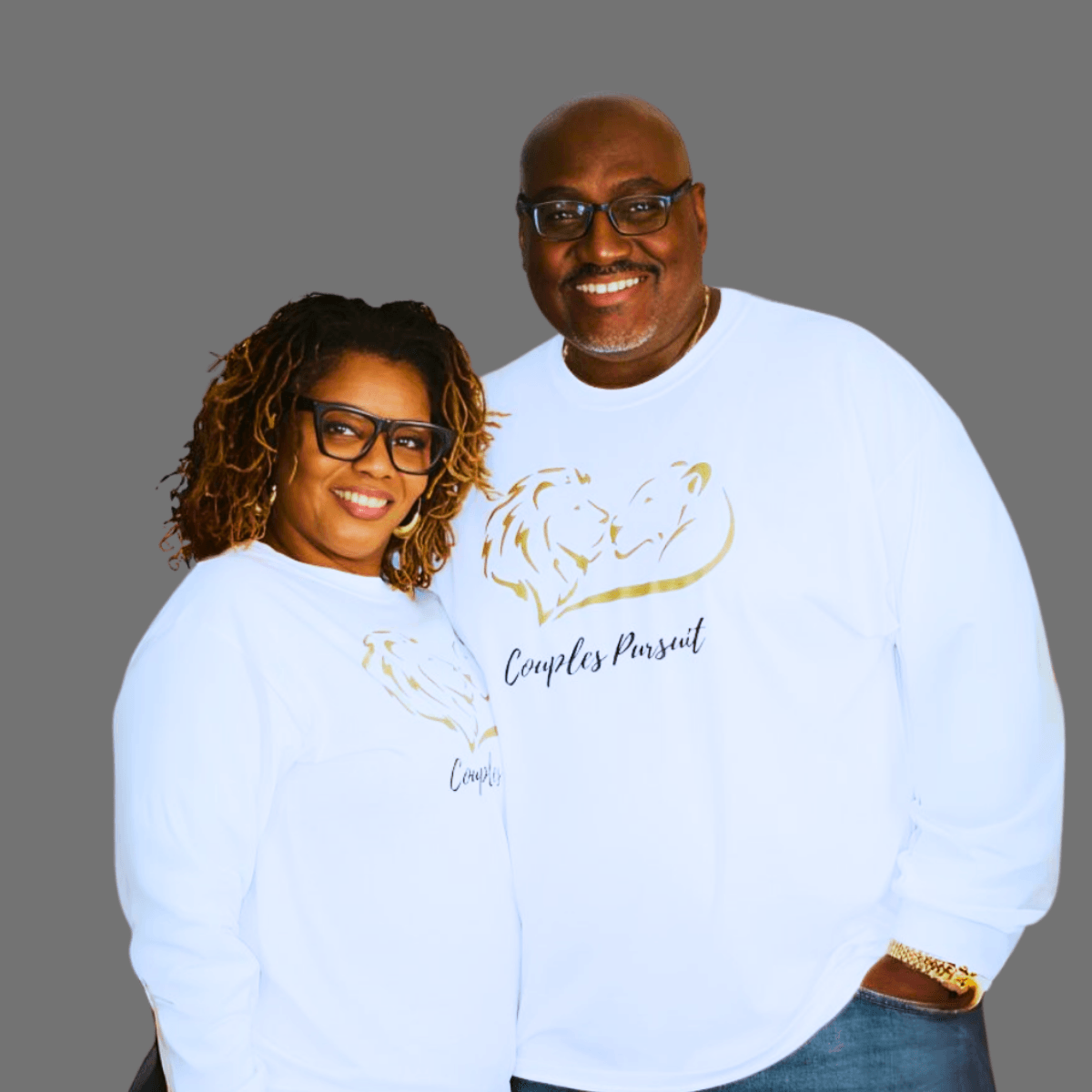
Vincent and Valerie Woodard are the founders of Couples Pursuit. Married since 2000, they specialize in restoring marriages that feel beyond repair using biblical principles. Connect with them at www.couplespursuit.com.
Want more posts like this one?
We send practical, biblical marriage help to your inbox.
No spam. Just honest content for real couples.
Need to Talk?
Are You Tired of Feeling Disconnected From Your Spouse or Future Spouse?
Book Your FREE 15-Minute
Strategy Session Today!
Our Coaching is based on:
The 5 Marriage Mandates™
Method
Many books offer quick fixes or surface-level advice. But “The 5 Marriage Mandates™” dives deep, addressing the real challenges couples face today.

What Is the Root Issue in Your Marriage?
Take the Free 5 Marriage Mandates™ Quiz. No right or wrong answers...
Just honest ones.

Are You Tired of Feeling Disconnected From Your Spouse or Future Spouse?

FREE 15-Minute Strategy Session
Book Your FREE 15-minute Relationship Restoration Roadmap call with Vincent & Valerie TODAY!
*We respect the rights of all individuals. However, our services may not be appropriate if you identify as LGBTQ, have an untreated addiction, are being physically abused, or are currently involved in an extramarital relationship.




Couples Pursuit is a subsidiary of Woodard Worldwide LLC.
@2026 Couples Pursuit | Privacy policy | Legal | Terms & Conditions