What Is the Root Issue in Your Marriage?
What Is the Root Issue in Your Marriage?

Marriage Counseling & Restoration
She Said \"I Do\" to a Different Man

When your spouse changes, the covenant feels impossible
Maria sat in her car outside the marriage counselor's office, gripping the steering wheel until her knuckles turned white.
"This isn't the man I married," she whispered to herself for the hundredth time that month.
The thought had been growing louder every day for the past two years. Ever since Carlos lost his job at the engineering firm, he'd become someone she barely recognized.
The confident, driven man who used to dream about their future together had been replaced by someone who spent entire weekends on the couch, snapping at their kids and shutting her out completely.
Gone was the husband who used to surprise her with coffee in bed.
Gone was the man who'd dance with her in the kitchen while dinner cooked.
Gone was the person who used to talk to her about everything.
In his place was a stranger who felt like a roommate she didn't particularly like.
"I said 'I do' to someone else entirely," she thought, watching other couples walk into the building. "Someone who doesn't even exist anymore."
The counselor had asked them to come separately for individual sessions first, but Maria wasn't sure there was any point. How do you fix a marriage when one person has completely disappeared and been replaced by someone you never chose to marry?
How do you honor a covenant with someone who feels like a stranger?
If Maria's thoughts sound familiar, you're not alone.
This post is part of our complete guide to intimacy in marriage. Read the full guide here.
The Crisis No One Talks About
Here's what nobody mentions during premarital counseling: the person you marry will change.
Not might change. Will change.
Life has a way of revealing parts of people that courtship never exposed. Stress, loss, disappointment, success, parenthood, health crises, career changes—they all shape us in ways we never expected.
Sometimes those changes feel like growth. Your spouse becomes more compassionate after a difficult season, more grateful after overcoming challenges, more confident after achieving goals.
But sometimes those changes feel like loss.
The optimistic person becomes cynical after too many disappointments. The social butterfly withdraws after experiencing betrayal. The decisive leader becomes paralyzed after making costly mistakes. The gentle spirit becomes harsh after being wounded too many times.
And suddenly, you're looking across the dinner table at someone you're not sure you would choose to marry today.
Most marriage advice tells you to "work on yourselves" or "rediscover what brought you together." But what happens when the fundamental personality traits that attracted you to each other seem to have vanished entirely?
What happens when covenant commitment feels like staying married to someone you never met?
What God Actually Says About Covenant
Before we go any further, we need to understand something crucial: biblical covenant was never built on the person—it was built on the promise.
In Genesis 2:24, God establishes the foundation of marriage: "Therefore a man shall leave his father and mother and be joined to his wife, and they shall become one flesh."
Notice what's missing from that verse? Any mention of personality compatibility, shared interests, or even feelings.
The Hebrew word for "joined" is dabaq, which means to cling, to stick fast, to cleave. It's the same word used to describe how things are permanently attached—like skin to bone.
This isn't about finding your perfect match. This is about two imperfect people choosing to become permanently attached regardless of how those imperfections manifest over time.
When you stood at that altar, you didn't just promise to love the person standing in front of you. You promised to love whoever that person would become through all the seasons, changes, and transformations that life would bring.
The covenant wasn't with their personality. It was with their person.
Malachi 2:14 says your spouse is "your companion and your wife by covenant." The word beriyth (covenant) implies a sacred, binding agreement that doesn't change based on circumstances or personal transformation.
This is why God calls Himself a covenant-keeping God even when His people change, rebel, disappoint, and fail Him repeatedly. His commitment isn't based on their performance—it's based on His promise.
Why We Feel Deceived When Spouses Change
The reason spouse changes feel so devastating isn't just practical—it's spiritual.
When we marry someone, we often unconsciously believe we're entering into a contract: "I will love this specific version of you as long as you remain this specific version."
But God designed marriage as a covenant: "I will love you through every version you become."
The difference is profound.
Contract thinking says: "You're not the person I married, so this isn't the marriage I agreed to."
Covenant thinking says: "You're not the person I married, and that's exactly what I signed up for."
This doesn't mean accepting destructive behavior or enabling sin. It means understanding that covenant love commits to the person, not just their current presentation.
Consider how God loves you. You're not the same person you were when you first believed. You've failed Him, disappointed Him, and probably developed some character traits that don't reflect His heart well. But His covenant love for you doesn't change based on your changes.
That's the model for marriage.
The Truth About "Being Equally Yoked"
But wait—doesn't the Bible talk about being "equally yoked"? Doesn't 2 Corinthians 6:14 warn against being "unequally yoked with unbelievers"?
Yes, and this is exactly why this principle matters so much when your spouse changes.
Being equally yoked isn't primarily about personality compatibility or life goals. It's about fundamental spiritual direction. Are you both committed to following God's way in your marriage, even when it's difficult?
This is where the distinction becomes crucial:
Changes that challenge covenant: When your spouse changes in ways that contradict biblical values—becoming abusive, addicted, unfaithful, or completely abandoning their faith commitment.
Changes that test covenant: When your spouse changes in ways that disappoint you but don't violate biblical boundaries—becoming more introverted, developing different interests, losing confidence, or going through difficult emotional seasons.
The first category requires intervention, boundaries, and potentially separation for safety. The second category requires covenant love that chooses commitment over comfort.
Most marriage struggles fall into the second category, even though they feel like the first.
The Daily Choice That Changes Everything
So what does covenant love look like when your spouse has changed into someone you're not sure you like?
It looks like choosing to study the person they're becoming instead of mourning the person they used to be.
Maria discovered this during one of their individual counseling sessions. Her therapist asked a question that stopped her cold: "Instead of focusing on who Carlos used to be, what if you tried to understand who he's becoming?"
"But I don't like who he's becoming," Maria protested.
"That's not what I asked. I asked if you'd try to understand him."
The difference was revolutionary.
Understanding doesn't require liking. It requires choosing curiosity over judgment, compassion over criticism.
Maria started paying attention to Carlos differently. Instead of cataloging all the ways he'd changed for the worse, she started looking for the pain behind the changes.
The man who used to be confident was now insecure because his sense of worth had been tied to providing for his family. The man who used to be social was now withdrawn because he felt ashamed about being unemployed.
The man who used to be affectionate was now distant because he was convinced she deserved better than what he could offer.
Carlos hadn't become a different person. He'd become a wounded version of the same person.
And wounds need healing, not criticism.
How to Love Someone You Don't Recognize
1. Look for the core person underneath the survival behavior.
Most personality changes are actually survival responses to pain, fear, or trauma. The gentle person becomes harsh because they feel constantly attacked.
The confident person becomes insecure because life has shaken their foundation. The social person becomes withdrawn because they feel misunderstood.
Ask yourself: "What wound might be driving this behavior?"
2. Choose curiosity over criticism.
Instead of saying, "You're not the person I married," try saying, "Help me understand what you're going through."
Instead of, "You never used to be like this," try, "This seems really hard for you."
Instead of, "I don't recognize you anymore," try, "What do you need from me right now?"
3. Distinguish between character and circumstances.
Character is who someone is at their core—their values, their heart toward God, their fundamental commitments. Circumstances are the external pressures that temporarily shape behavior.
Most spouse changes are circumstantial, not character-based. The person underneath is still there—they're just responding to things you might not fully understand.
4. Invest in the person they're becoming, not the person they used to be.
This is perhaps the hardest part of covenant love. You have to grieve the loss of certain aspects of your spouse while simultaneously investing in whoever they're becoming.
You might need to grieve the loss of their optimism while learning to love their newfound realism. You might need to grieve their previous social energy while learning to love their need for quiet processing.
This doesn't mean accepting destructive behavior. It means choosing to see change as transformation rather than loss.
When Your Spouse's Changes Challenge Your Faith
Sometimes, spouse changes feel so dramatic that they challenge your faith in God's plan for your marriage.
"Why would God allow my husband to become someone so different from who I thought I was marrying?" asked Rachel, whose husband's struggle with depression had completely transformed their marriage dynamic.
Here's what I've learned after years of counseling couples through these situations: God often uses our spouse's changes to grow us in ways nothing else could.
Rachel's husband's depression forced her to learn patience she never knew she possessed. It developed in her a depth of compassion that now helps her minister to other struggling wives. It taught her to find her security in God rather than in her husband's emotional stability.
•
That doesn't make the pain less real. But it does give the pain purpose.
•
God isn't wasting your spouse's changes—or the difficulty those changes create for you. He's using both to shape you into the spouse He wants you to be and to develop a covenant love that reflects His own heart.
The Transformation That's Possible
When you choose covenant love over comfort, something supernatural happens in your marriage.
Carlos eventually found work again, but more importantly, he found healing for the identity crisis that had driven his personality changes. That healing happened, in large part, because Maria chose to love him through his worst season instead of abandoning him in it.
"Looking back," Maria told me recently, "I realize I fell in love with Carlos all over again. Not the Carlos I married, but the Carlos he became after we walked through that valley together."
"The man I'm married to now is deeper, more grateful, more dependent on God than the man I married fifteen years ago. If I'd given up on our covenant when he changed, I would have missed getting to know the best version of him."
That's the promise hidden in every season of spouse change: the person your spouse is becoming might be the person you fall in love with most deeply.
But you'll only discover that if you choose covenant commitment over comfortable feelings.
Practical Steps for Walking This Out
Start with prayer, not conversation. Before you address your spouse's changes, spend time asking God to help you see them the way He does. Ask Him to show you the pain or fear behind their behavior. Ask Him to give you His heart for the person they're becoming.
Address specific behaviors, not character. Instead of "You've become so negative," try "I've noticed you've been really discouraged lately. What's that about?" Focus on actions you can address rather than personality assessments that feel like attacks.
Create space for grief. It's okay to mourn aspects of your spouse that seem to have disappeared. You can grieve the loss of their optimism while still choosing to love their current realism. Grief doesn't mean you're not committed—it means you're human.
Get help when needed. If your spouse's changes involve abuse, addiction, or complete abandonment of their faith, you need professional guidance. Covenant love sometimes requires boundaries, intervention, or even separation for safety and healing.
Focus on your own growth. You can't control how your spouse changes, but you can control how you respond to those changes. Use this season to develop patience, compassion, and dependence on God that will serve your marriage for decades.
Look for the gift in the change. Ask yourself: "What is this season teaching me about love? About God? About my own character?" Sometimes, the most difficult spouse changes produce the most beautiful marriage transformations.
The Covenant Promise That Changes Everything
Here's what I want you to understand: the person you married is still in there.
They might be buried under pain, fear, disappointment, or survival behaviors. They might be hidden behind walls they've built to protect themselves from further hurt. They might be temporarily overshadowed by circumstances that have shaken their sense of identity.
But the heart you fell in love with is still beating in their chest.
Covenant love believes this even when you can't see evidence of it. Covenant love chooses to invest in the person's potential rather than just their current presentation.
This is exactly how God loves you.
You've changed since you first committed your life to Him. You've disappointed Him, failed Him, and probably developed some character traits that don't reflect His heart. But His covenant love for you doesn't waver based on your changes.
He sees the person He's transforming you into, and He commits to that future version even when your current version falls short.
That's the kind of love He's asking you to show your spouse.
When Covenant Feels Impossible
If you're reading this and thinking, "This sounds beautiful in theory, but you don't know what I'm dealing with," I hear you.
Some spouse changes feel so dramatic, so painful, so completely contrary to everything you thought you married that covenant love seems impossible.
You're right. It is impossible for you alone.
But covenant love was never meant to be generated by your own strength. It's meant to be a supernatural expression of God's love flowing through you.
This is why marriage is called a picture of Christ's love for the church. Not because it's easy, but because it requires the same kind of supernatural, covenant-keeping love that saved you.
When you feel like giving up on your changed spouse, remember: God never gave up on the changed you.
When you feel like they've become someone you never signed up to love, remember: God loved you before you became someone worth loving.
When you feel like covenant is impossible, remember: you serve a God who specializes in keeping impossible promises.
The Marriage You Never Imagined
Twenty-five years ago, James and Patricia stood at an altar and promised to love each other for better or worse. Neither of them imagined that "worse" would include James's diagnosis with early-onset Alzheimer's at age 54.
The confident, brilliant man Patricia married slowly forgot her name, their history, and eventually, how to recognize her face. But Patricia chose covenant.
She chose to love the man James was becoming—confused, sometimes difficult, often child-like—even though he bore little resemblance to the man she'd married.
"People ask me how I can love someone who doesn't even remember me," Patricia told me. "But I'm not loving his memory. I'm loving his soul. And that soul is the same one I promised to cherish, no matter what."
Today, James is in late-stage Alzheimer's. He can't speak, can't feed himself, and doesn't recognize anyone. But Patricia still sits with him every day, still holds his hand, still tells him she loves him.
"This isn't the marriage I planned," she said. "But it's the marriage that taught me what covenant really means. And I wouldn't trade that lesson for anything."
That's the marriage waiting for you on the other side of your spouse's changes.
Not the comfortable marriage you planned, but the covenant marriage that will teach you depths of love you never knew were possible.
Ready for more marriage-saving strategies?
Join thousands of couples who get our weekly insights at couplespursuit.com.
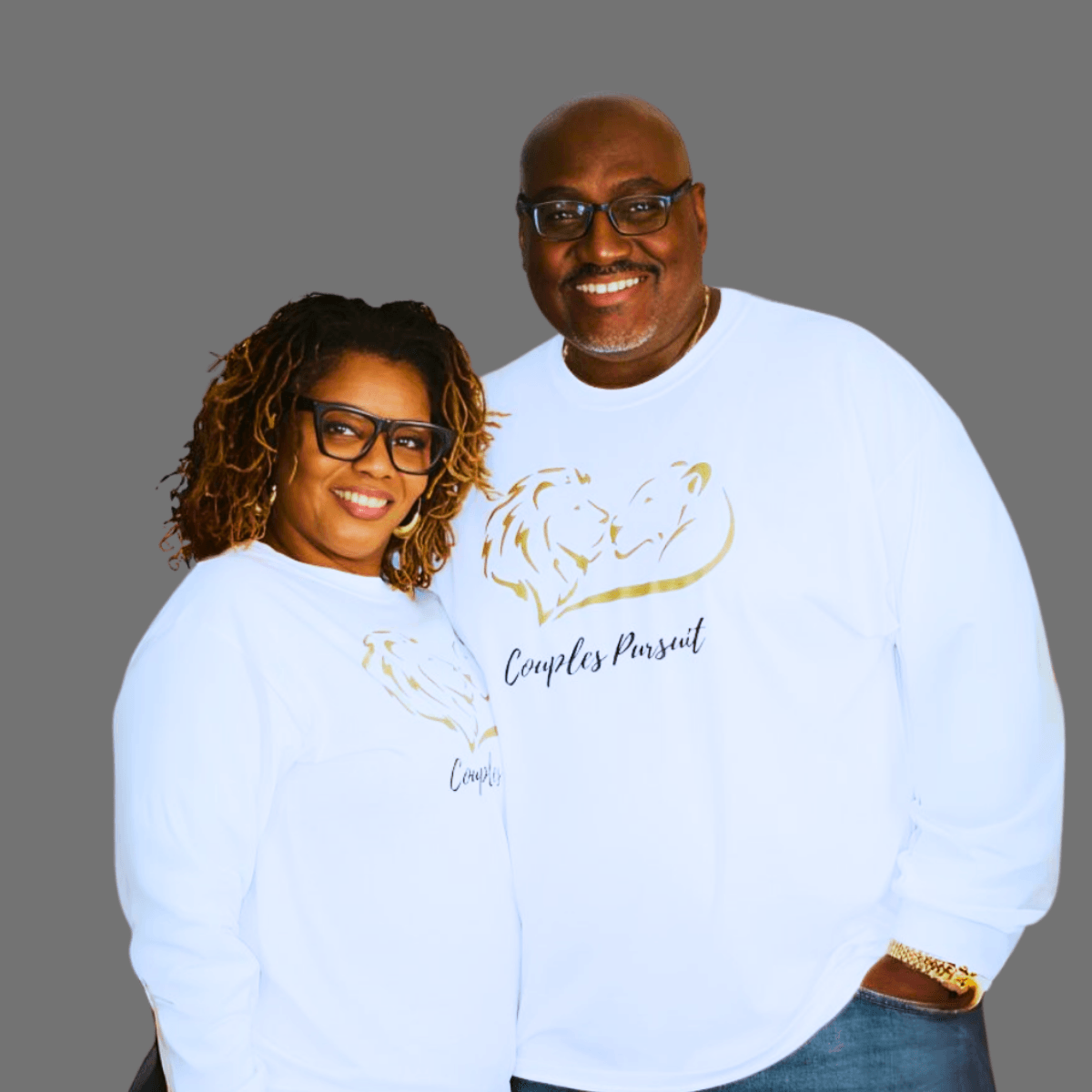
Vincent and Valerie Woodard are the founders of Couples Pursuit. Married since 2000, they specialize in restoring marriages that feel beyond repair using biblical principles. Connect with them at www.couplespursuit.com.
Want more posts like this one?
We send practical, biblical marriage help to your inbox.
No spam. Just honest content for real couples.
Need to Talk?
Are You Tired of Feeling Disconnected From Your Spouse or Future Spouse?
Book Your FREE 15-Minute
Strategy Session Today!
Our Coaching is based on:
The 5 Marriage Mandates™
Method
Many books offer quick fixes or surface-level advice. But “The 5 Marriage Mandates™” dives deep, addressing the real challenges couples face today.

What Is the Root Issue in Your Marriage?
Take the Free 5 Marriage Mandates™ Quiz. No right or wrong answers...
Just honest ones.

Are You Tired of Feeling Disconnected From Your Spouse or Future Spouse?

FREE 15-Minute Strategy Session
Book Your FREE 15-minute Relationship Restoration Roadmap call with Vincent & Valerie TODAY!
*We respect the rights of all individuals. However, our services may not be appropriate if you identify as LGBTQ, have an untreated addiction, are being physically abused, or are currently involved in an extramarital relationship.




Couples Pursuit is a subsidiary of Woodard Worldwide LLC.
@2026 Couples Pursuit | Privacy policy | Legal | Terms & Conditions