What Is the Root Issue in Your Marriage?
What Is the Root Issue in Your Marriage?

Marriage Counseling & Restoration
I Don't Like My Spouse. But I Want To Stay Married Anyway

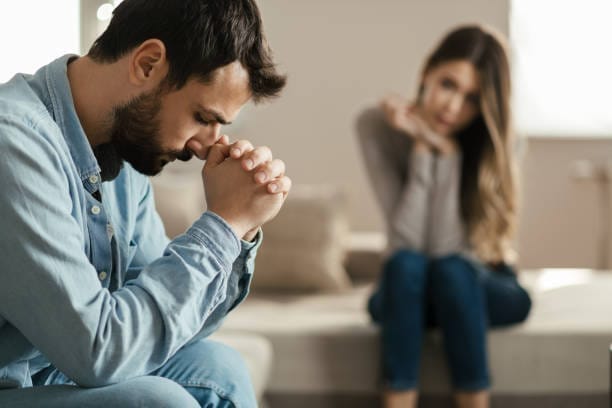
Jennifer stared at her husband across the breakfast table, watching him scroll through his phone while chewing his cereal with his mouth open. Again.
The way he left his coffee mug on the counter instead of putting it in the dishwasher.
How he interrupted her stories to correct minor details that didn't matter.
The fact that he'd rather watch another episode of that show than have an actual conversation.
She felt... nothing.
Well, that's not entirely true.
She felt annoyed. Frustrated.
Sometimes even repulsed by habits that used to seem quirky.
"I don't think I like him anymore," she whispered to her sister later that day.
"I mean, I love him. He's a good man, a good father. But I don't... like him. Does that make me a terrible person?"
Her sister's response was immediate: "Girl, if you're not happy, life's too short. You deserve to feel butterflies."
But something in Jennifer's heart resisted that advice. She'd made a promise. A vow.
And despite not feeling those butterflies, despite the daily irritations, despite the growing emotional distance—she wanted to fight for her marriage.
Is that crazy? Or is that exactly what commitment looks like?
The Shocking Truth About Marriage That Nobody Warns You About
Here's what no one tells you at your wedding:
There will be seasons when you don't like the person you married.
Not because they're a bad person. Not because you chose wrong. Not because your marriage is doomed.
But because you're human beings living in close proximity, sharing space, money, decisions, and bathroom sinks.
Because you're both broken people who sometimes act in unlovable ways. Because the person you married will change, and so will you.
Most couples panic when this happens. They think it means their marriage is over, that they've "fallen out of love," or that they need to find someone who makes them feel alive again.
But what if I told you that not liking your spouse sometimes is actually... normal? And that it doesn't have to be the end of your story?
The Lie Our Culture Tells About Marriage
Our culture has sold us a dangerous lie: that marriage should make you happy, and if it doesn't, you should get out.
We've been taught that feelings are the ultimate guide for marriage decisions.
If you feel in love, get married. If you don't feel in love anymore, get divorced. If someone else makes you feel more alive, that must be "true love."
But this feelings-first approach to marriage has left us with a 50% divorce rate and countless couples walking away from relationships that could have been restored.
Here's the truth your wedding vows tried to tell you:
Love is not just a feeling. It's a choice. And commitment means choosing love even when you don't feel it.
Remember those words you said? "For better or for worse, for richer or for poorer, in sickness and in health, to love and to cherish, till death do us part."
Most couples focus on the good parts—better, richer, health, love, cherish.
But that "for worse" part? That's where the real marriage happens.
What "For Worse" Actually Looks Like
Valerie and I learned this the hard way. During one of our worst seasons, we were living like roommates in our own home. We discussed dividing our furniture.
We talked about who would get what when we separated.
I didn't like her very much during that time. And I'm pretty sure the feeling was mutual.
She had habits that drove me crazy.
Ways of communicating that felt like attacks. Responses to conflict that made me want to withdraw completely.
But somewhere in the middle of all that dislike, all that frustration, all that hurt—we both remembered something crucial:
We had made a promise. Not just to each other, but to God.
That promise wasn't dependent on how we felt. It was dependent on who we chose to be.
The Difference Between Love and Like
Let's get real about this for a minute. Love and like are not the same thing.
Like is a feeling. It comes and goes based on circumstances, moods, hormones, stress levels, and whether your spouse remembered to take out the trash.
Love—real love—is a choice. It's a daily decision to seek the best for your spouse, even when they're being difficult. Even when you don't feel those warm fuzzy feelings. Even when they're going through a season that makes them hard to be around.
The Bible talks about this in 1 Corinthians 13. Real love is patient, kind, doesn't keep a record of wrongs. Notice it doesn't say love always feels good or makes you happy.
It says love acts in specific ways regardless of how it feels.
This is what marriage commitment actually means:
choosing to love your spouse even during the seasons when you don't particularly like them.
Why Not Liking Your Spouse Isn't the Problem
Before we go any further, let me be clear: not liking your spouse sometimes doesn't make you a bad person or mean your marriage is broken.
It makes you human.
Think about it: you probably don't like your kids sometimes, but you don't stop being their parent.
You don't like your job sometimes, but you don't quit every time you have a bad day. You don't even like yourself sometimes, but you don't abandon yourself.
So why do we think marriage should be different?
The problem isn't that you don't like your spouse. The problem is what you do with that feeling.
Do you let it convince you that your marriage is hopeless? Do you start fantasizing about life with someone else? Do you withdraw and stop investing in the relationship?
Or do you recognize it as a season, take responsibility for your part, and choose to act in love despite how you feel?
What the Bible Says About Commitment
God's design for marriage goes so much deeper than feelings. In Genesis 2:24, it says a man leaves his father and mother and "bonds" with his wife. That word "bonds" means to cling to, to stick to, to remain committed to.
Notice it doesn't say "feels butterflies for" or "enjoys spending time with." It says bonds—implying a connection that goes beyond emotions.
Malachi 2:14 talks about your spouse as "your companion and your wife by covenant." The word covenant here means a sacred, binding agreement.
Not a contract that can be broken when conditions aren't met, but an unbreakable bond.
When you stood at that altar, you didn't just promise to stay married when things felt good. You promised to remain committed when things felt hard.
When your spouse was struggling.
When you were struggling. When life threw you curveballs that tested everything you thought you knew about love.
The Daily Choice That Changes Everything
So what does commitment look like when you don't like your spouse? It looks like this:
You choose to act in love regardless of how you feel.
This isn't about pretending everything is fine or stuffing your feelings down. It's about recognizing that your marriage is bigger than your temporary emotions.
The Commitment Mandate we teach couples is this:
"I choose to commit daily to the restoration of my marriage. I will actively pursue my spouse and work toward healing, regardless of my feelings or circumstances."
Notice the word "daily." Commitment isn't a one-time decision you made at your wedding.
It's a choice you make every morning when you wake up, every evening when you come home from work, every time conflict arises.
It means:
Choosing to speak kindly even when you're irritated
Choosing to serve your spouse even when you don't feel like it
Choosing to work on the relationship even when it feels pointless
Choosing to pray for your spouse even when you're angry with them
Choosing to see their struggles with compassion instead of judgment
Practical Steps When You Don't Like Your Spouse
1. Acknowledge the feeling without making it mean everything. It's okay to admit "I don't like my spouse right now." Don't feel guilty about it. But also don't let that feeling dictate your actions.
2. Look for your part in the dynamic. What are you doing (or not doing) that might be contributing to the distance? Are you withdrawing? Being critical? Expecting your spouse to meet needs only God can meet?
3. Remember who they really are. Your spouse isn't their worst moments or their most annoying habits. They're a person God loves, with their own struggles, fears, and pain. Try to see them through God's eyes.
4. Act your way back to feeling. Don't wait to feel love before you act in love. Start doing loving things—serve them, speak kindly, show appreciation—and watch how it changes both of you.
5. Get perspective from trusted friends or counselors. Sometimes we need outside voices to help us see our situation clearly. Find people who will encourage your marriage, not validate your desire to quit.
6. Pray for your spouse. This is probably the last thing you want to do when you don't like them, but it's often the most important. Ask God to help you see your spouse the way He sees them.
When Commitment Feels Impossible
Sometimes the "I don't like my spouse" feeling goes deeper than daily irritations. Sometimes it's about serious issues—addiction, betrayal, abuse, or patterns of destructive behavior.
In these cases, commitment doesn't mean enabling or accepting harmful behavior. It might mean setting boundaries, requiring counseling, or even temporary separation while both people get help.
But even in these difficult situations, commitment means not giving up on the possibility of restoration. It means being willing to do the hard work of healing if your spouse is also willing.
Commitment doesn't mean staying in an unsafe situation. But it does mean fighting for your marriage with wisdom, support, and hope.
The Hope Hidden in Your Hardest Seasons
Here's what I want you to know: feelings change.
The spouse you don't like today could become the person you fall in love with all over again. Not because they become perfect, but because commitment creates the safety for both of you to grow.
When you commit to loving your spouse through the seasons when you don't like them, something beautiful happens:
You discover that love is stronger than feelings
Your spouse feels safe enough to address their own issues
You both learn that marriage is about becoming better people, not just being happy
You build a foundation that can weather any storm
Valerie and I are living proof of this. Those seasons when we didn't like each other? They taught us what real love looks like. They forced us to go deeper than surface-level compatibility to build something that could last.
Today, after 24 years of marriage, we like each other more than ever.
Not because we never have hard moments, but because we've learned that commitment isn't about finding the perfect person—it's about choosing to love an imperfect person perfectly.
Your Marriage Is Worth Fighting For
I know it's hard when you look at your spouse and feel nothing but frustration. When you wonder if you made a mistake. When everyone around you is telling you that life's too short to be unhappy.
But I'm here to tell you: your marriage is worth fighting for.
Not because it's easy. Not because it will always feel good. But because God designed marriage to be a picture of His unwavering love for us—a love that commits regardless of how we act, how we feel, or how difficult we become.
When you choose commitment over feelings, you're not settling for less. You're choosing something greater than happiness: you're choosing faithfulness.
And faithfulness, it turns out, is often the path to the deepest joy you've ever known.
Your Next Steps
If you're reading this and thinking "I don't like my spouse, but I want to save my marriage," here's where to start:
This week: Make one choice daily to act in love despite how you feel. Bring them coffee. Say something encouraging. Help with a task they hate. Small actions, consistently chosen.
This month: Have an honest conversation about where you both are. Not to blame or criticize, but to acknowledge that you want to fight for your marriage together.
This season: Get help. Whether it's reading books on marriage, joining a small group, or working with a counselor—invest in tools that can help you rebuild.
Remember: the goal isn't to feel crazy in love all the time. The goal is to build a marriage so strong that it can hold both of you through every season—the ones where you like each other and the ones where you don't.
Your wedding vows weren't just pretty words. They were a roadmap for how to love someone through a lifetime of changes, challenges, and growth.
Trust the process. Choose commitment. Watch what God can do with a marriage that refuses to quit.
Need help rebuilding your marriage?
We know how hard it is to fight for a relationship when feelings have faded.
We've been there, and we've helped hundreds of couples find their way back to love.
Book a conversation with us and let's create a plan for your restoration.
Ready for more marriage-saving strategies?
Join thousands of couples who get our weekly insights at couplespursuit.com.

Vincent and Valerie Woodard are the founders of Couples Pursuit. Married since 2000, they specialize in restoring marriages that feel beyond repair using biblical principles. Connect with them at www.couplespursuit.com.
Want more posts like this one?
We send practical, biblical marriage help to your inbox.
No spam. Just honest content for real couples.
Need to Talk?
Are You Tired of Feeling Disconnected From Your Spouse or Future Spouse?
Book Your FREE 15-Minute
Strategy Session Today!
Our Coaching is based on:
The 5 Marriage Mandates™
Method
Many books offer quick fixes or surface-level advice. But “The 5 Marriage Mandates™” dives deep, addressing the real challenges couples face today.

What Is the Root Issue in Your Marriage?
Take the Free 5 Marriage Mandates™ Quiz. No right or wrong answers...
Just honest ones.

Are You Tired of Feeling Disconnected From Your Spouse or Future Spouse?
FREE 15-Minute Strategy Session
Book Your FREE 15-minute Relationship Restoration Roadmap call with Vincent & Valerie TODAY!
*We respect the rights of all individuals. However, our services may not be appropriate if you identify as LGBTQ, have an untreated addiction, are being physically abused, or are currently involved in an extramarital relationship.




Couples Pursuit is a subsidiary of Woodard Worldwide LLC.
@2026 Couples Pursuit | Privacy policy | Legal | Terms & Conditions